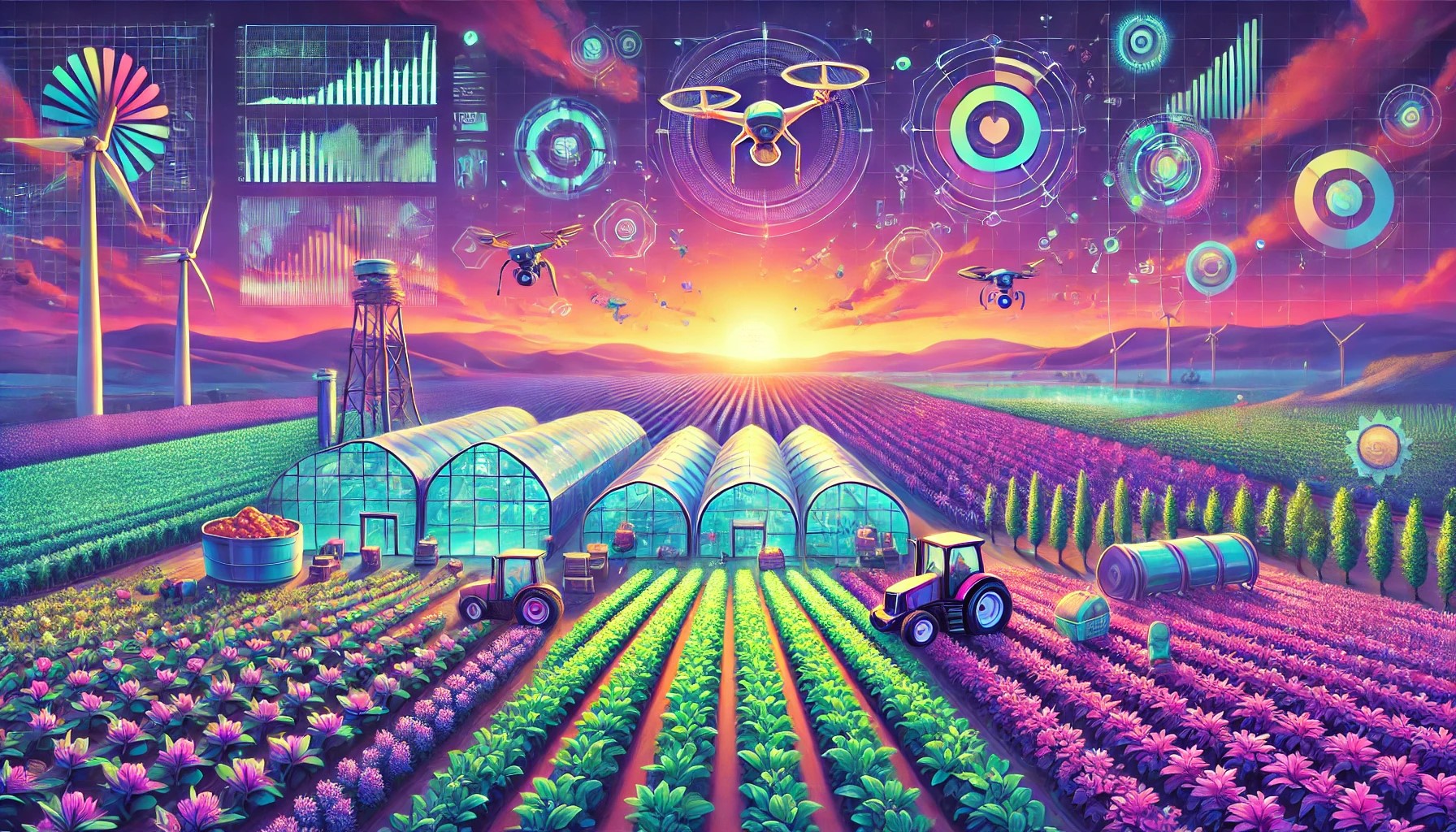
Agri-Food
The agri-food sector is at the heart of global sustainability and food security, facing immense challenges due to climate change, resource constraints, and the growing demand for nutritious food.
To meet these challenges, the industry must embrace innovation and transform traditional farming and food production methods. Generative AI is proving to be a vital tool in this transformation, offering solutions that enhance efficiency, productivity, and sustainability.
By integrating Generative AI into agri-food processes, from farm to table, the sector can optimize resource use, reduce waste, and ensure a more resilient and sustainable food system.
Top 10 Generative AI Applications Transforming Agri-Food
1. Precision Agriculture
AI-driven analysis of soil, weather, and crop data to optimize planting, irrigation, and harvesting, maximizing yields with minimal resources.
2. Smart Irrigation Systems
Using AI to monitor soil moisture and weather forecasts, ensuring precise water usage and reducing waste.
3. Predictive Crop Analytics
Forecasting crop yields and disease outbreaks with AI to improve planning and reduce losses.
4. Automated Pest and Disease Detection
Leveraging AI to detect pests and diseases early, enabling targeted interventions that protect crops and reduce chemical usage.
5. Supply Chain Optimization
Enhancing the efficiency of food supply chains with AI-driven demand forecasting, inventory management, and logistics.
6. Sustainable Food Production
Using AI to develop and optimize alternative proteins and sustainable food sources that meet consumer demands and reduce environmental impact.
7. AI-Enhanced Food Safety
Monitoring and predicting food safety issues in real-time with AI to ensure compliance and protect public health.
8. Personalized Nutrition
Creating personalized dietary recommendations and food products based on individual health data and preferences using AI.
9. Resource Management
Optimizing the use of fertilizers, water, and other inputs in farming through AI-driven insights, reducing environmental impact.
10. Automated Food Processing
Streamlining food production processes with AI, improving efficiency, reducing waste, and ensuring consistent product quality.
In the agri-food sector, Generative AI is not just a technological advancement—it’s a necessity for building a more sustainable and resilient food system. By harnessing the power of AI, the industry can meet the growing global demand for food in a way that protects the environment, supports farmers, and ensures that everyone has access to nutritious and safe food.